The Key to Continued Ecommerce Growth
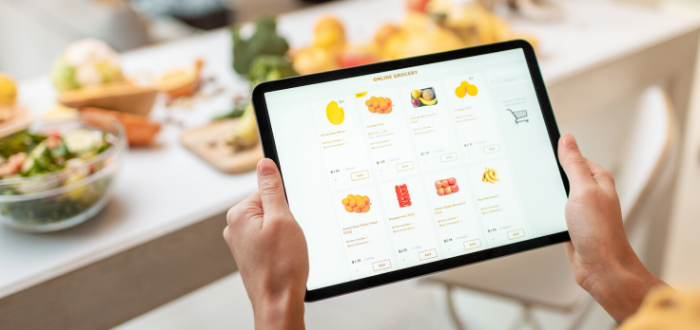
As a result of COVID-19, many families started to do more of their grocery shopping online. FMI discovered that during this March/April, 27.9% of all grocery spending was done online as compared to last year’s 10.5%.
The Ecommerce food industry is continually reaching a larger audience as older generations and childless households have started to use it (as opposed to solely millennials). Perishable food items (e.g. fresh produce, refrigerated items, frozen foods, etc.) that shoppers were once hesitant about purchasing have increased in online sales.
While customers enjoy many of the benefits that come with online grocery shopping (e.g. its convenience and time efficacy), “(s)ome of the biggest dislikes about online shopping are the inability to choose one’s own perishable items (despite the growth during the pandemic), high delivery fees, difficult returns processes, inability to find products based on preferences, and slow delivery” (Markensen).
To make the Ecommerce process better for customers, transparency is key! In fact, “(s)hoppers have higher transparency expectations of online grocers compared to bricks-and-mortar stores” (Acosta).
This increased Ecommerce transparency looks like online grocers offering “better product selection, more and better product information, and more accurate search functionality” (Acosta).
While Ecommerce food sales have increased, 39% of grocery shoppers still prefer shopping at brick-and-mortar stores as opposed to online (26%). However, if Ecommerce transparency continually increases to a place where it is easier, quicker and more cost efficient than brick-and-mortar stores, that statistic could very well change.
Click on the links if you would like to read more about the growth of Ecommerce, the importance of transparency for online grocers, and/or the transparency expectations for omnichannel grocery shoppers.